Showing posts with label shoes. Show all posts

Wednesday, September 15, 2010

Low Heels = High Style, Less Pain?


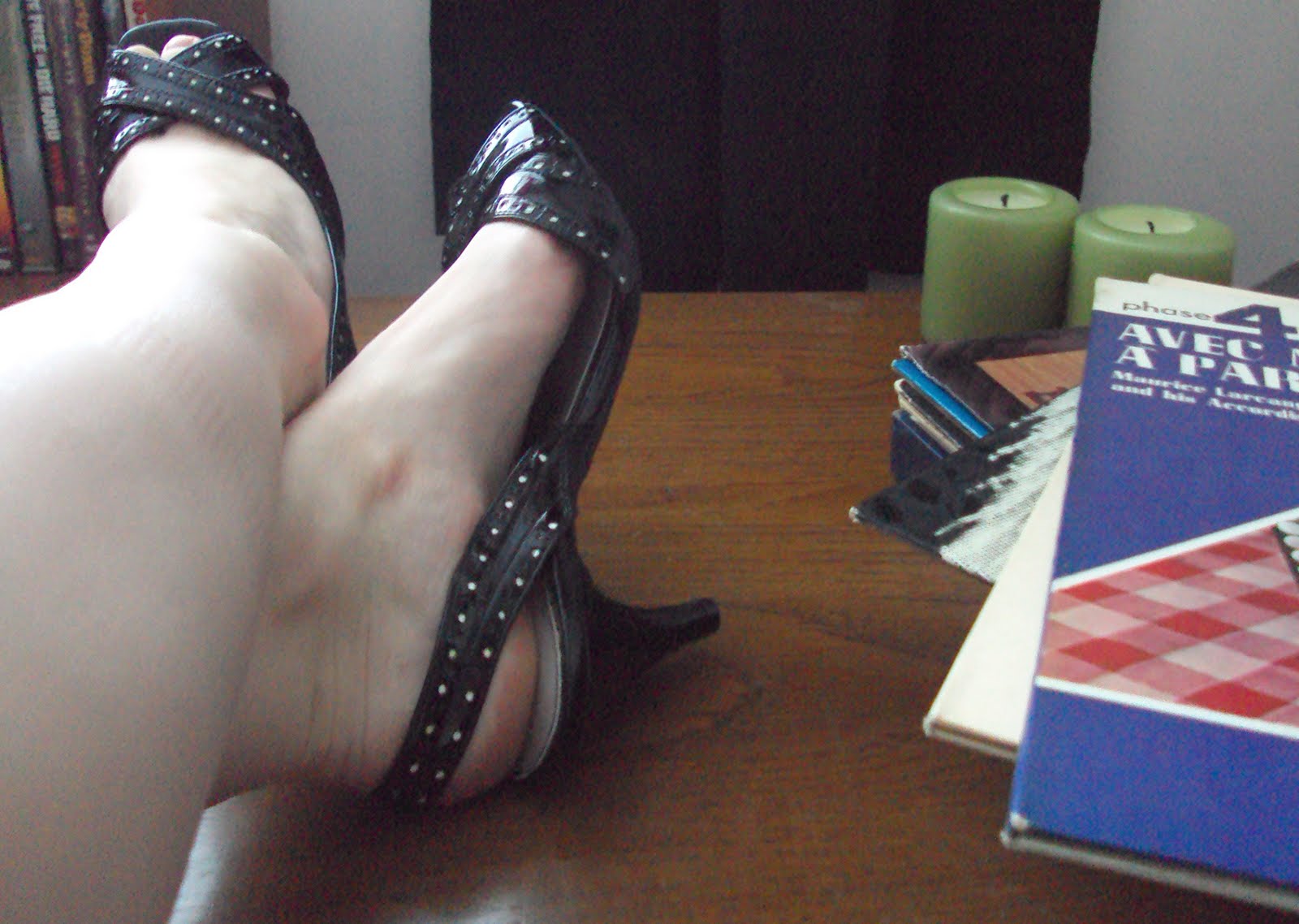
Kitten heels have appeared on the fashion scene, and fashionistas are rejoicing in the most comfortable footwear trend in quite a while! These shoes, a morph of stilettos and flats, offer the sophisticated look of high heels but with less discomfort. Kitten heels may have had their stuffy days, worn in bland styles in the workplace by 1980s working women, but the new styles are far from frumpy. In candy colors, pretty peep toes, or toughened up with hardware, these shoes are fun and, compared to last year's sky-high stilettos, comfy.

The New York Times is raving about this smart new style. “They give you the posture. They give you an elegant attitude right away,” says Giovanna Battaglia, fashion director of Italian Vogue accessories mags Vogue Gioiello and Vogue Pelle.

Low heels may be high on style, but how healthy are they for your feet? The real answer is all in how you wear them. While they give the wearer less immediate pain than high heels, there is still little support in most ladies’ dress shoes, even low-heeled or flat ones. Check that your dress shoes have sufficient arch support; if they don’t there are plenty of comfy (and stylish) orthotic options available in the foot care section of your local shoe store or drugstore. Some will fit invisibly into peep-toe or open-toe shoes; others are printed with fun patterns that you'll want to show off. Also, let your feet rest! Put your feet up or go barefoot when you get a chance, and wear more supportive footwear out in the yard, when running errands, etc.

In our offices we often see patients with foot pain due to wearing improper shoes constantly for long periods of time. You can prevent painful foot conditions if you make smart choices for your feet!

Friday, November 27, 2009

The Origin of Shoes


Shoes have come along way since their invention. Some anthropologists believe that the invention of shoes happened as early as 40,000 B.C. These anthropologists noted substantially different toe bone sizes between different generations. The older generations had very big bones; the kind that are associated with a lot of hard work. Then fairly suddenly, the toe bone size got a lot smaller. A very possible explanation to this change is the invention of shoes.


Shoes had an open toed sandal design until about 1600-1200 B.C. when people in colder weather climates created ‘soft shoes’ made out of leather, similar to moccasins, covering the whole foot, and therefore inventing the first close toed shoe. The next major advancement in shoe technology was made by the Egyptians who where the first civilization to make shoes ornate. When the Pharaoh’s where dressed in all their glory, their outfits would be incomplete if they where wearing boring shoes. Shoemaking became a profession in the Egyptian society, making shoes more like jewelry than simply for necessity. Necessity for a hardier shoe brought about the invention of the boot during the ancient Greek era. They needed boots to keep their soldiers protected from different elements in nature and in war. Shoes where not particularly sturdy until about the Middle Ages, when due to the Crusades and the great deal of walking associated with those events, shoes needed to be more durable and more comfortable. Since then shoes have progressed into the styles we know and love today.


In 1850 the first shoe was designed to fit specifically the right or left foot. Soon after that, inventors created special sewing machines that made it able for someone to sew the soles of shoes to the uppers. This new machine expedited the time it took for shoes to be made, leading to the first mass manufacturing of shoes. In 1892 shoes started to look more like the shoes we wear today. Nine rubber companies used their resources and creativity to come up with a new kind of shoe, one that is very quiet and easy to bend. This new rubber sole shoe, a sneaker, was a huge success! Since then, shoes have progresses to fashion as well as necessity, being manufactured and computer engineered instead of handmade, and now mostly made from man made material instead of natural material. Though styles of shoes and techniques of how shoes are made have changed drastically over time, peoples love for shoes and desire to keep inventing haven’t.


Tuesday, May 19, 2009

What You Wear Can Hurt You

When it comes to feet, we are often our own worst enemies. From high heels to pointy toes, our shoes often pinch, pressure, and bind. Bunions, corns, and calluses are just a few of the problems that can result. To avoid painful and potentially serious foot problems, make sure the shoes you buy fit in width, length, and overall shape. Even though the bones in our feet stop growing when we are in our late teens, our shoe size will change over our lifetime. Have your foot size measured at least once a year. There should be a thumbs width between your longest toe and the end of the shoe. Leave high heels to the fashion models-and let them deal with the consequences.

Although shoes are meant to protect our feet, too often we choose them for style rather than comfort and function. Whether shopping for sandals or hiking boots, let common sense dictate– if they aren’t comfortable, don’t buy them. If you do buy them, at the least you’ll end up not wearing them and wasting money; at the worst, they do damage and cost you even more.

Tuesday, April 14, 2009

If The Shoe Doesn’t Fit…Make the Foot Fit the Shoe??

As the fashion trends for shoes continuously change, these changes are very persuasive in convincing women they need to change their appearance in order to wear them. As this is may be difficult for many to fathom, many women are considering the option of elective cosmetic foot surgery. If surgical intervention is the only reason for foot surgery, in order to fit into a shoe, then maybe the shoe is not for you. But you have to have the latest spring collection of Jimmy Choo or Manolo Blahnik sandals, but that little pinky toe is just not fitting into the shoe. So what do you do? Well, some women are resorting to cosmetic foot surgery, which is becoming more popular since you can nip and tuck just about everything else, some figure well why not the feet?
A growing number of women are considering shortening their toes, narrowing their feet, or enduring collagen or silicone injections in an effort to have the “perfect” foot to fit the “perfect” shoe. One has to consider that there are complications that can occur with any surgical procedure, not to mention the pain, swelling and discomfort that may be experienced post operatively. Surgically changing the dynamics of your foot when there is no underlying injury or pathology to a shape that is not natural may cause potential difficulty down the road. What will you do if the shoe trends change again? Will you remove another toe? There has to be some reasonable options that don’t involve removing appendages. If surgical intervention is necessary, be sure it is for medical reasons. If you have a condition that cannot be treated conservatively, experiencing pain, or if overall quality of life is affected, then surgery may be necessary.
Remember trends go in and out of style, your toes never do. Be an advocate for your foot health.

Thursday, April 9, 2009

Women's Traveling Feet Feel The Pain

Researchers recently found a strong link between packing uncomfortable shoes and suffering foot pain while traveling. Young women are the most common victims of foot pain on the road. Not surprisingly, they are also the most likely to pack and wear uncomfortable, even dangerous shoes— high heels, flip flops, etc. —when traveling. Eighty percent of the surveyed women under age 25 and 60% of surveyed women under 35 acknowledge that they sacrificed comfort for fashion on their last pleasure trip. While 60% of women, compared to 32 % of men, spent time planning their shoe selections for their trip, women were more likely than men to suffer foot discomfort related to poor shoe choices on their trips.

Switching shoes may not always be the best solution for correcting foot problems, but wearing appropriate footwear can prevent some problems from ever happening or alleviate others from continuing. As your foot care specialists, we can diagnose and recommend a course of treatment that may include a change in footwear, regular general care, medications, physical therapy, or orthotics. If your feet are tired of ill-fitting shoes, or if you are just tired of feet that hurt, we welcome your call at SHENANDOAH PODIATRY.

P.S. Close to one-third of travelers admitted to packing either brand-new shoes, uncomfortable shoes, or both.